 Back to blog
Jo Trotman Sales and Marketing Manager, discusses whether opening your windows during hay fever season is a breath of fresh air or an invitation for allergens.
Is the 10-minute window-opening hack worth it?
“While the idea of refreshing indoor air is sound in principle, opening windows wide can often do more harm than good by allowing a surge of pollen indoors. Nearly half of the UK population now suffers from hay fever, making it the country’s most common allergy.”
Rather than relying on a 10-minute burst of outdoor air, Trotman recommends a more controlled approach:
“If you have trickle vents, it’s best to keep them open where possible. This provides a steady flow of fresh air even when windows are closed, while helping to reduce the amount of allergens and irritants entering your home.”
How does it work?
“The principle behind the hack is air exchange, helping to prevent the build-up of stagnant allergens. However, the most effective way to reduce pollen exposure isn’t just airflow alone—it’s also about removing the places where pollen collects around your windows.”
Frames
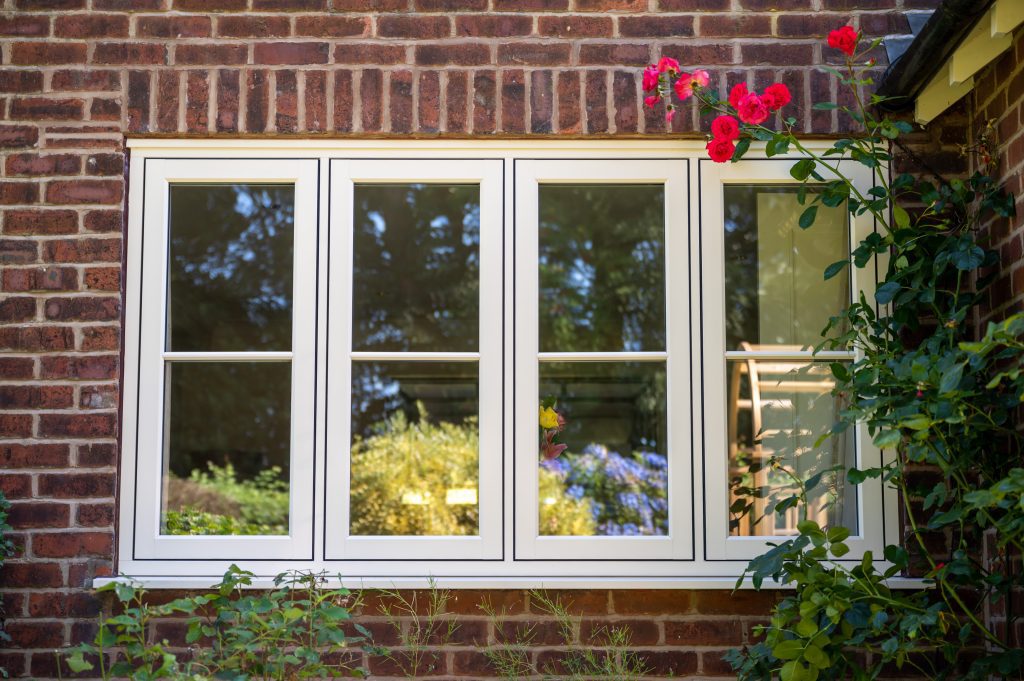
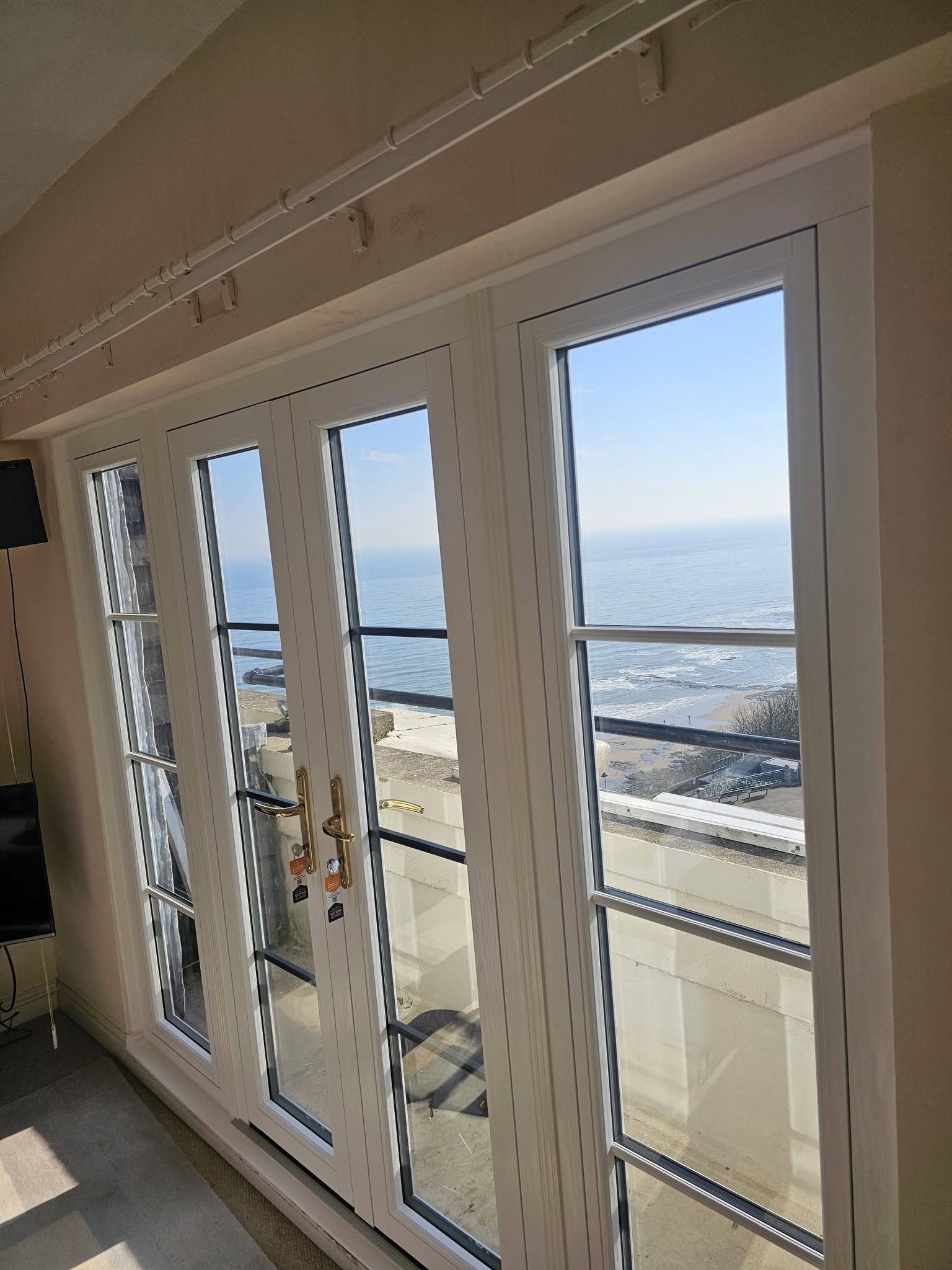
“Pollen can settle on window frames, glazing, and seals. Cleaning with warm soapy water helps remove this build-up, ensuring that when windows are opened, settled pollen isn’t disturbed and released into the home.”
Fabrics
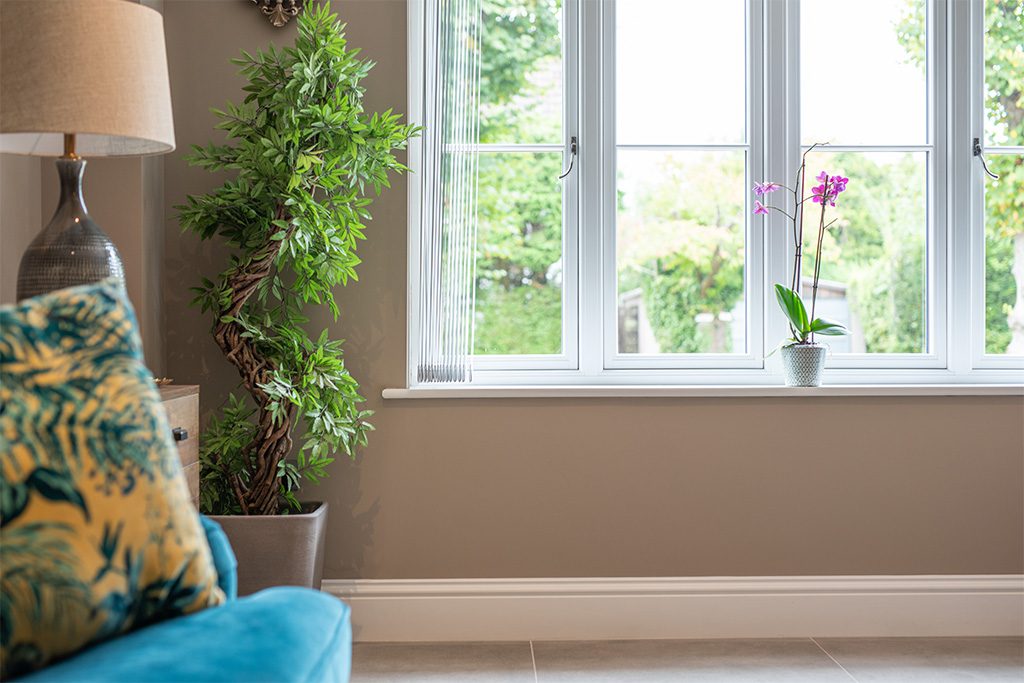
“Dust and pollen can also accumulate on curtains and blinds. Regular vacuuming using a brush attachment is important to prevent symptoms from worsening when air is moved around the room.”
How much can symptoms improve?
“While relief varies from person to person, creating a low-pollen indoor environment can significantly reduce the daily strain on hay fever sufferers. By combining filtered ventilation (such as trickle vents) with regular cleaning of window areas and soft furnishings, you can reduce the re-triggering of symptoms caused by disturbed indoor pollen.”
Do you recommend this approach?
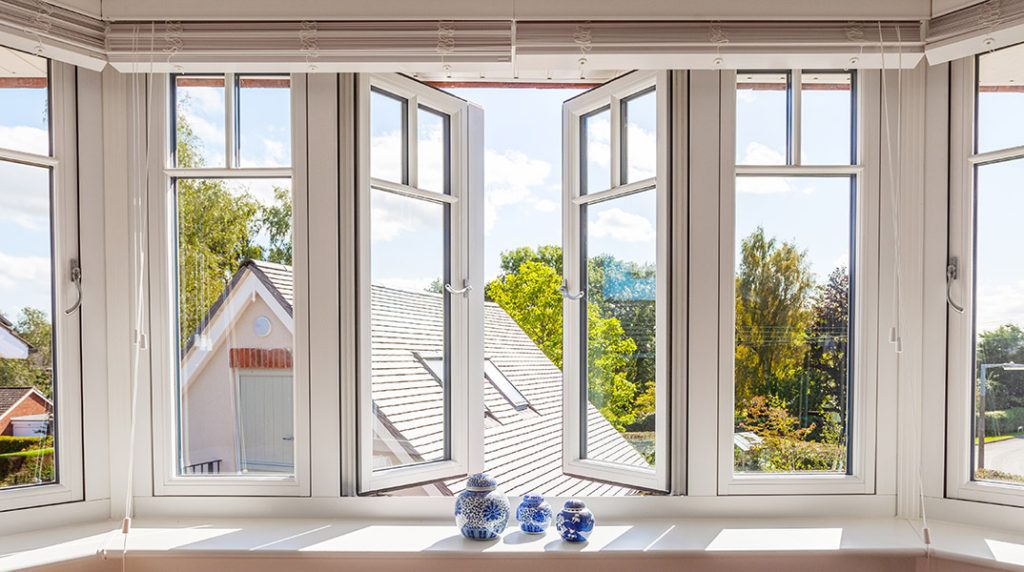
“Yes—if you don’t have trickle vents, briefly opening windows for around 10 minutes can still be beneficial, but it’s best done when pollen counts are lowest, typically midday or after rainfall.”
“By following these simple steps—using trickle vents where available and keeping window surroundings clean—you can help create a more comfortable, low-pollen home environment and ease hay fever symptoms during peak allergy season.”


 @residencecollection