 Back to blog
As we approach the brighter summer months, homeowners are looking to prioritise light-filled, versatile living spaces that offer a prime spot for soaking up the sunshine and hosting summer gatherings. We’ve shared expert advice to help homeowners make the most of both orangeries and conservatories, from design considerations to styling and practical use.
Orangeries and conservatories are not only popular ways to extend the home, but they also create a calm glazed retreat, offering both aesthetic appeal and practical value, making them a smart investment for modern living.
Orangeries
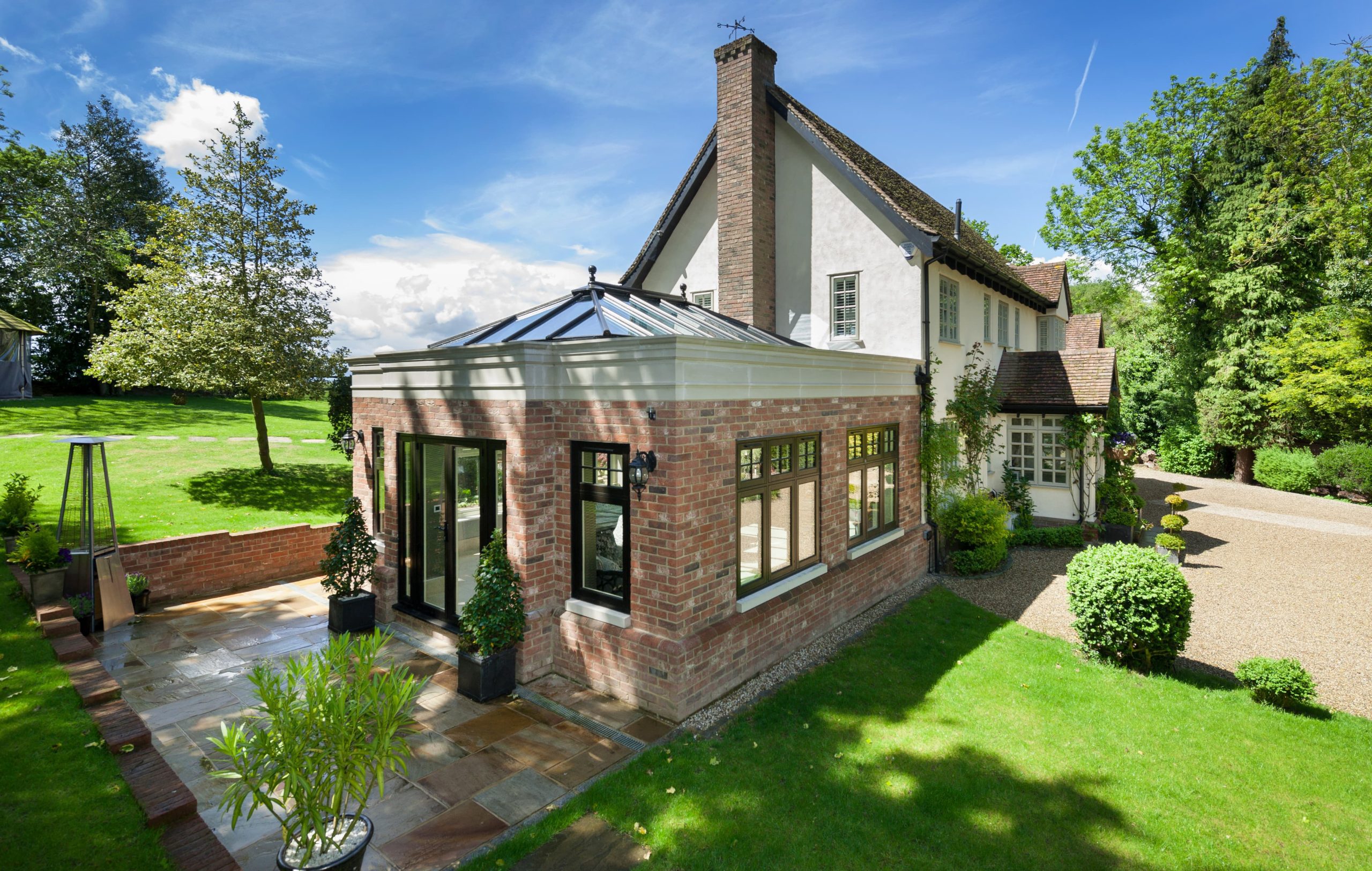
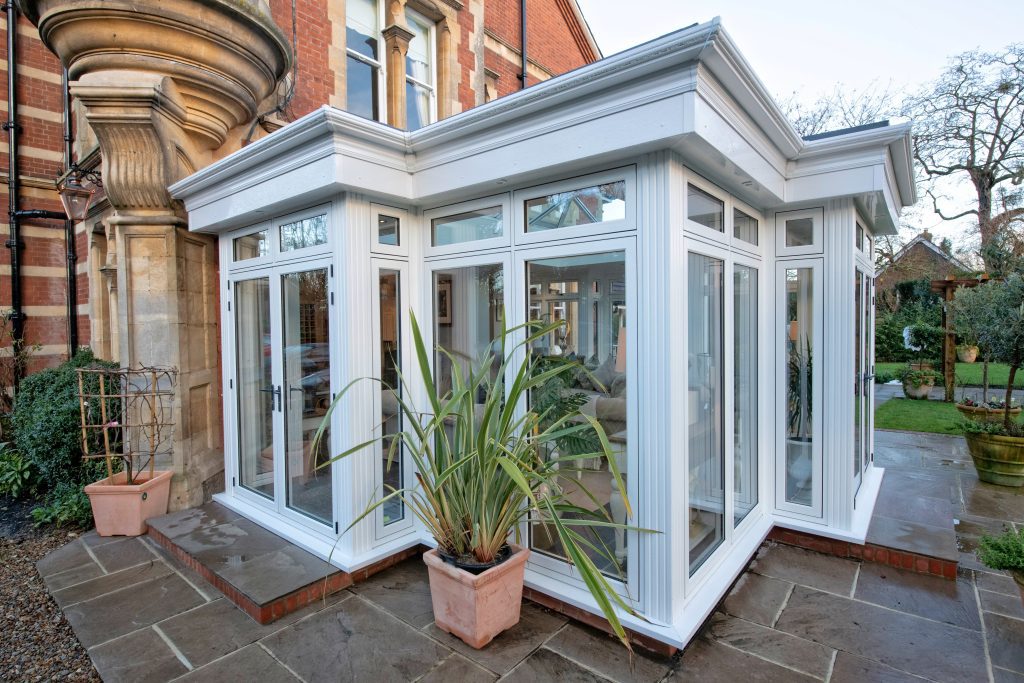
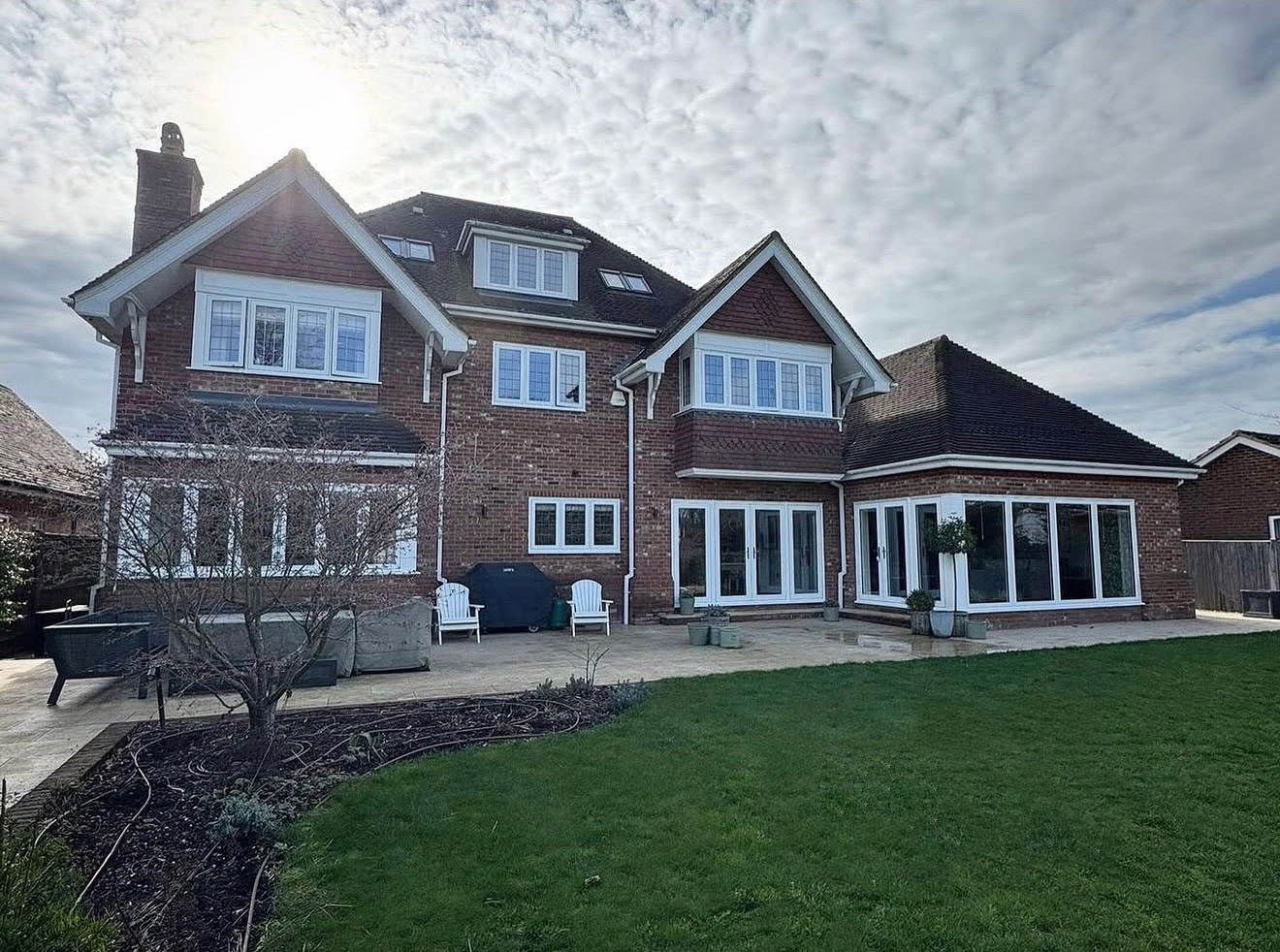
Sophisticated, elegant and luxurious are words that come to mind when discussing orangeries. As an alternative to the traditional conservatory, orangeries include more brickwork and are often built to blend seamlessly onto the existing property rather than as an add-on.
These versatile spaces can be tailored to suit the homeowner’s lifestyle, whether that is a social environment, a playroom or even a formal dining area; it really is up to interpretation.
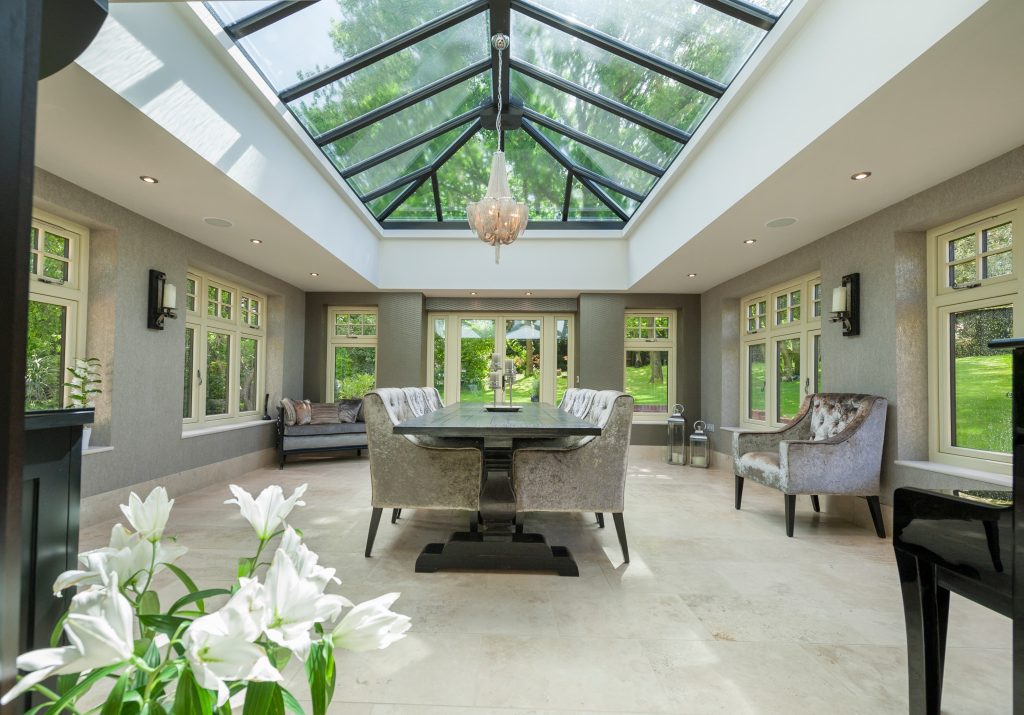
Two architectural features commonly incorporated into orangeries are roof lanterns and skylights. They enhance the luxurious sentiment while flooding the area with natural light. Strategic positioning is key to maximising sunlight throughout the day, although south-facing aspects should be approached thoughtfully to avoid overheating.
When it comes to styling, we advise keeping interiors light and airy. Trends like Japandi would be ideal for areas like these, focusing on a minimalistic, clean look or maybe a coastal trend, featuring natural elements and hints of dark wood.
Adding high-quality blinds and curtains to orangeries provides homeowners with an all-year-round temperature regulator and a sense of privacy.
Conservatories
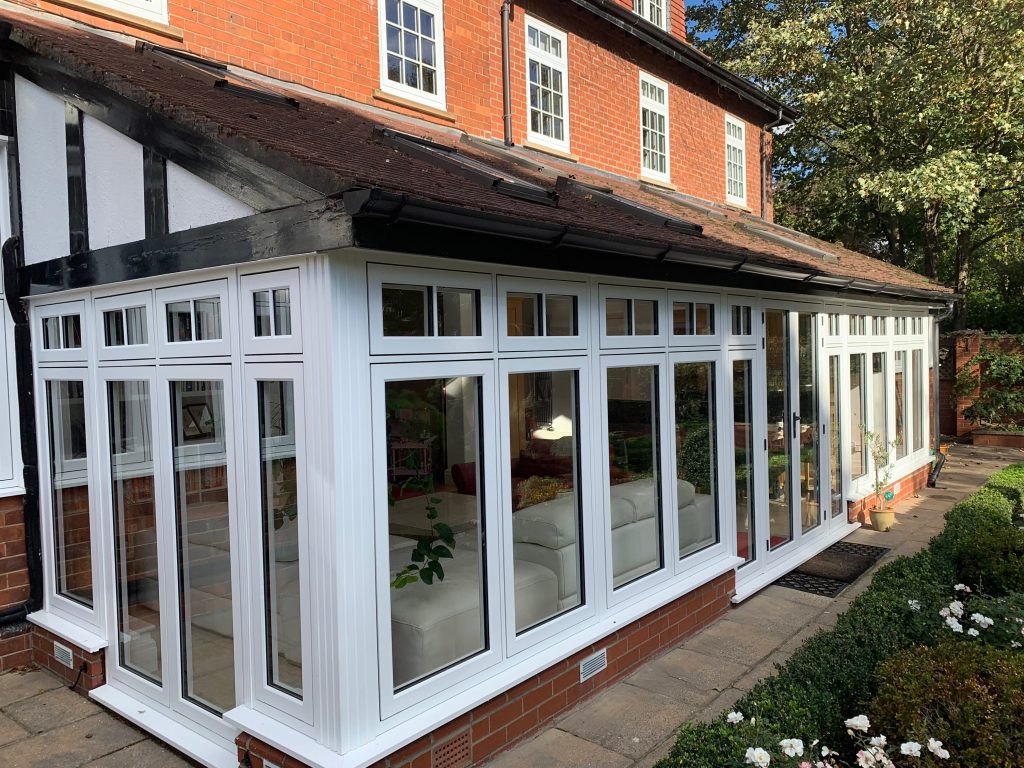
Classic conservatories are the perfect way to create an airy, stylish living space while enhancing the functionality and value of a property.
The size of the conservatory is dependent on the home and the range of outdoor area there is to extend onto. It is vital that homeowners can utilise the space to it’s full potential, whether it acts as an extended living space or a productive home office. The function of the space needs to be identified initially.
To avoid a cramped, overloaded space, it is advised that furnishings are bright and minimal, and windows are kept bare to allow as much natural light in as possible.
The biophilic design trend is popular in conservatories, too. By incorporating natural materials, earthy tones and a range of greenery, homeowners can blur the boundaries between indoors and out, creating a calm ambience that feels like an extension of the garden itself.
Jo Trotman, Sales and Marketing Manager, comments:
“Installing our windows as part of a home extension for either a conservatory or an orangery makes for a lighter, airy space designed specifically to suit the homeowner’s taste.
We are proud of the results and transformations our products create on homes; whether it’s for a modern home extension or a heritage restoration, we aim to produce fantastic results to please the homeowner.”
 @residencecollection