Back to blog

With energy costs still weighing heavily on household budgets, making sure your home retains as much heat as possible matters more than ever. Heat escapes through the roof, the walls and the floor, but one of the biggest culprits is often overlooked: your windows.
Windows typically make up around 20% of a building’s wall surface area, so reducing heat loss through them can make a real difference to your energy bills and how comfortable your home feels in winter. In poorly insulated windows, heat escapes in three main ways: air leakage through gaps, convection through cavities and conduction through the frame and glass itself.
The good news is there are several ways to tackle this, ranging from quick fixes to a full window upgrade.
8 ways to reduce heat loss through windows
1. Draught-proof gaps around the frame. Even well-fitted windows can develop small gaps over time. Self-adhesive foam strips or silicone sealant around the frame are a cheap, effective first step and can be fitted in an afternoon.
2. Fit heavy or thermal-lined curtains. Curtains with a thermal lining, drawn at dusk, create an extra layer of insulation between the glass and the room. Make sure they overlap the frame and reach the floor or sill to stop cold air pooling underneath.
3. Use a window insulation film. A low-cost film applied to the inside of the glass adds a thin extra layer of trapped air, which can noticeably cut heat loss on older single-glazed windows.
4. Check and replace worn seals. The rubber or foam seals around opening windows compress and perish over time. If a window feels draughty even when closed, worn seals are often the cause and are usually inexpensive to replace.
5. Add secondary glazing. A removable secondary pane fitted inside the existing frame is a good option for period or listed properties where the original windows can’t be replaced.
6. Keep windows and frames well maintained. Warped timber, cracked putty and flaking paint all create routes for heat to escape. Regular maintenance keeps the seal between glass and frame intact.
7. Consider window shutters or blinds. Solid shutters add another physical barrier against heat loss and, unlike curtains, don’t trap moisture against cold glass overnight.
8. Upgrade to double or triple glazing. Where windows are beyond the point where the fixes above make a meaningful difference, replacing them with efficient double or triple glazed units is the most effective long-term solution.
Double glazing vs triple glazing: what’s the difference?
Double glazed windows have two panes of glass separated by an insulating air gap, which acts as an extra layer of insulation compared with a single pane. Triple glazed windows add a third pane, and the difference in performance can be significant: less heat escapes, and the additional pane also helps reduce noise from outside.
Whichever you choose, installation quality matters as much as the windows themselves. A well-made unit fitted poorly will still let heat escape around the frame, so it’s worth investing in both good units and a good installer.
Understanding window energy ratings and U-values
Every window sold in the UK carries a window energy rating, from G (least efficient) up to A++ (most efficient), alongside a U-value, which measures how much heat passes through the window per square metre. The lower the U-value, the better the insulation. As a guide, a U-value below 1.4 W/m²K is generally considered good for double glazing, while triple glazing can achieve figures as low as 0.7-0.8 W/m²K.
Frequently asked questions
What can I put on windows to help keep the heat in?
Thermal-lined curtains, window insulation film and draught-proofing strips are the quickest and cheapest options. For a longer-term fix, secondary glazing or replacing the unit entirely will have the biggest impact.
How do I stop cold air coming through my windows?
Cold air usually gets in through gaps around the frame rather than through the glass itself. Check the seals, add draught-proofing strips and make sure curtains overlap the frame to block draughts.
Does window film actually help with heat loss?
Yes. Window film adds an extra layer of trapped air against the glass, which reduces conductive heat loss. It’s most effective on single-glazed windows and works well as a stopgap before a full window upgrade.
Is triple glazing worth the extra cost over double glazing?
It depends on your climate, budget and how long you plan to stay in the property. Triple glazing gives lower U-values and better noise reduction, but double glazing already offers a substantial improvement over single glazing for a lower cost.
Residence: windows built to keep the heat in
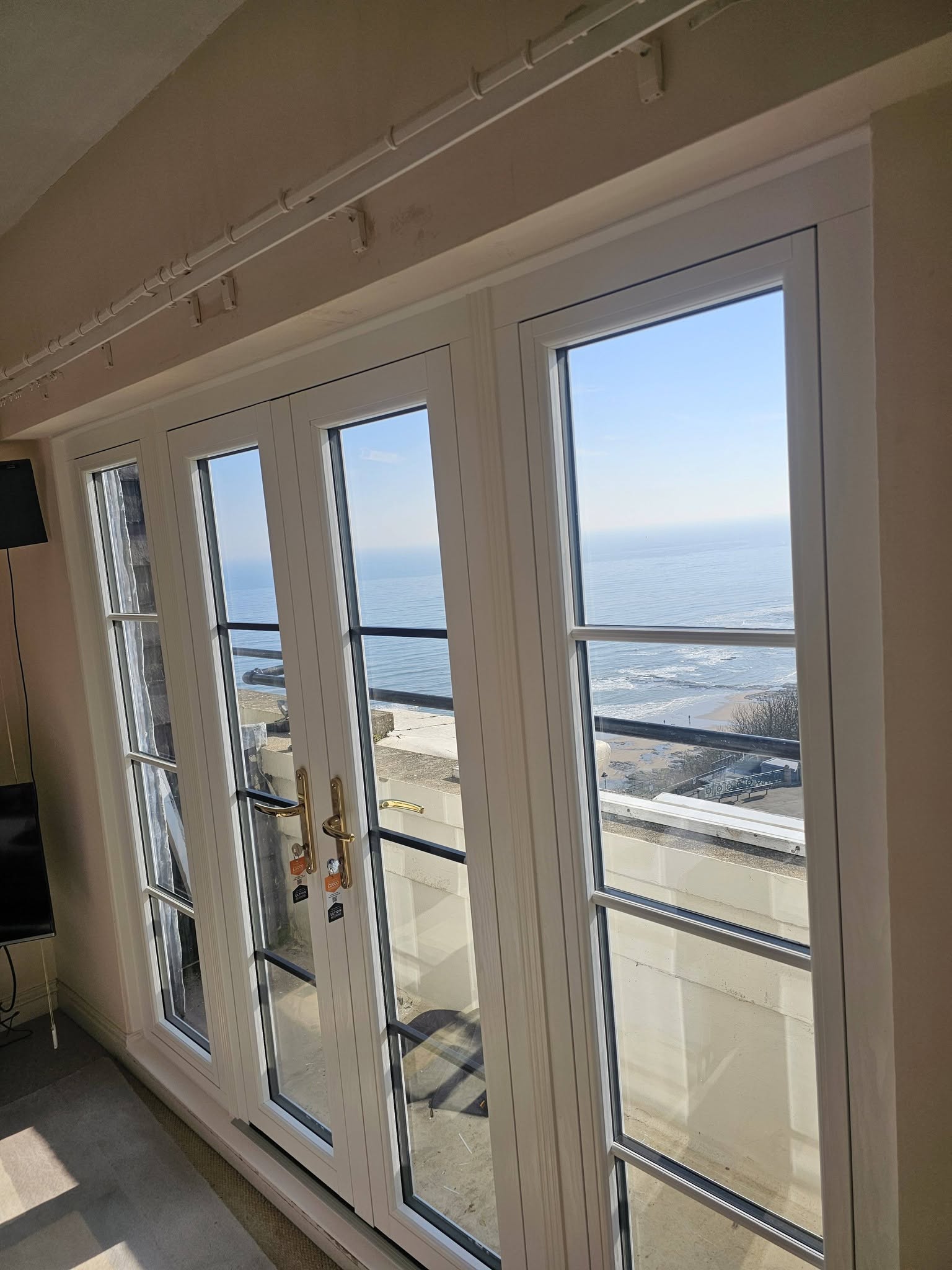
The Residence Collection is available with 44mm triple glazing or 28mm double glazing, with a certified window energy rating of A++. U-values reach as low as 0.74 W/m²K with triple glazing and 1.2 W/m²K with double glazing.
Every range is manufactured to the highest standards, with the option of our market-leading Timberweld® jointing system, giving the classical look of a traditionally jointed window both inside and out, without compromising on performance.
Ready to start reducing heat loss through your windows? Download a brochure or find your local Residence Collection installer.


 @residencecollection